
iPaaS - Integration platform as a Service
Integration platforms "lie" above the existing systems and serve as an overarching layer and connector to the underlying systems. This gives them a decisive position in the system landscape of a company.

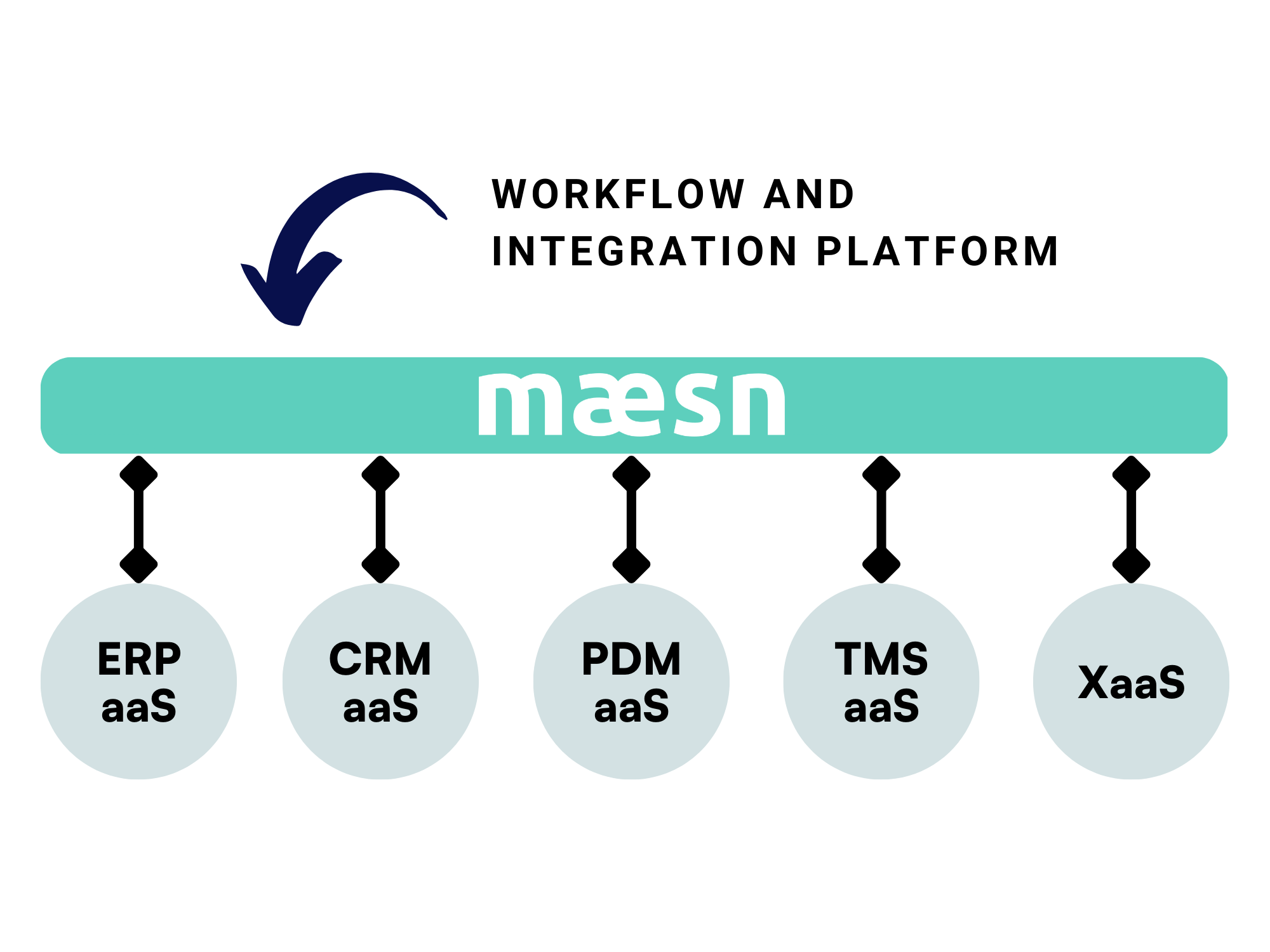

What is iPaaS?
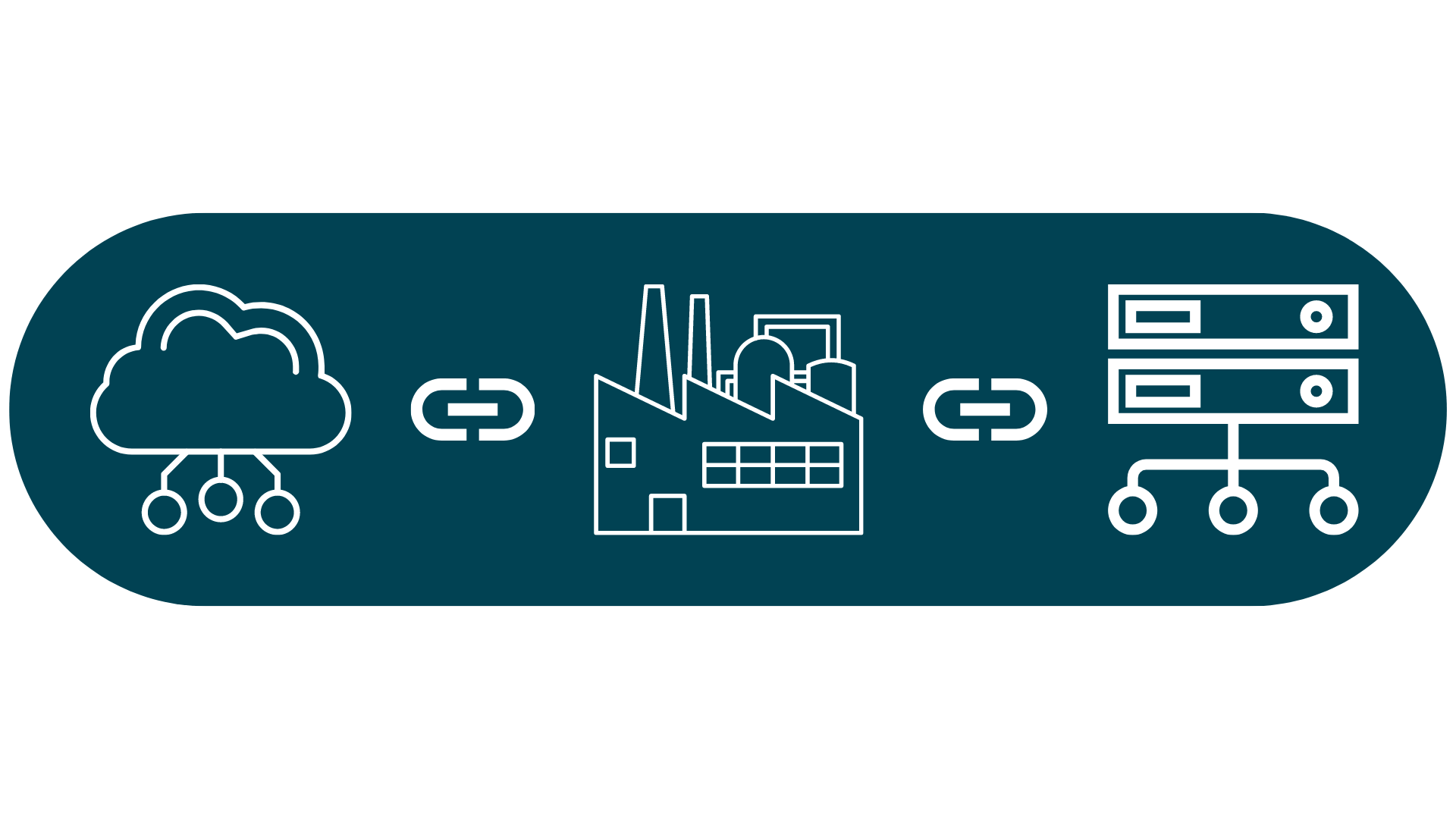
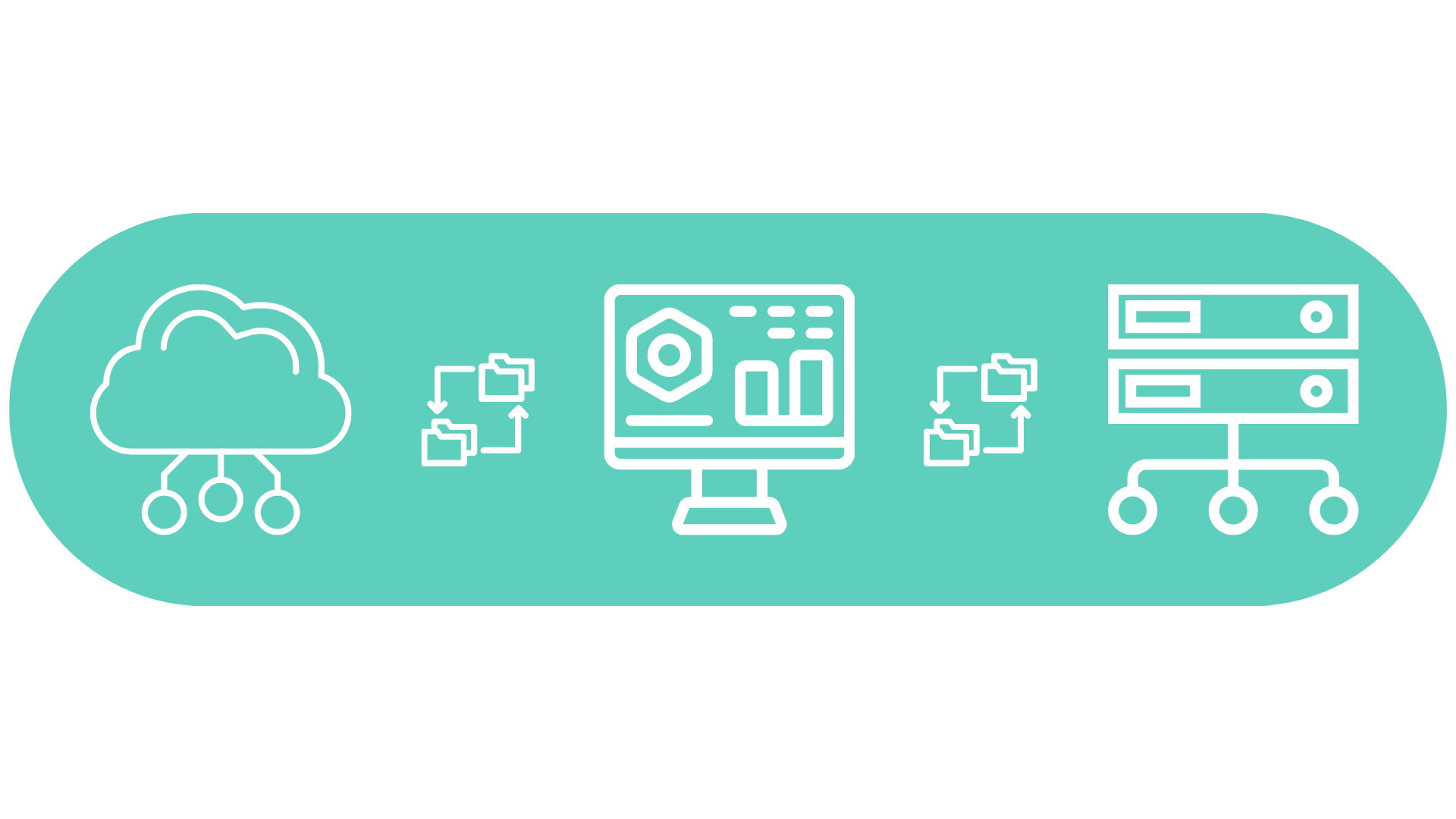
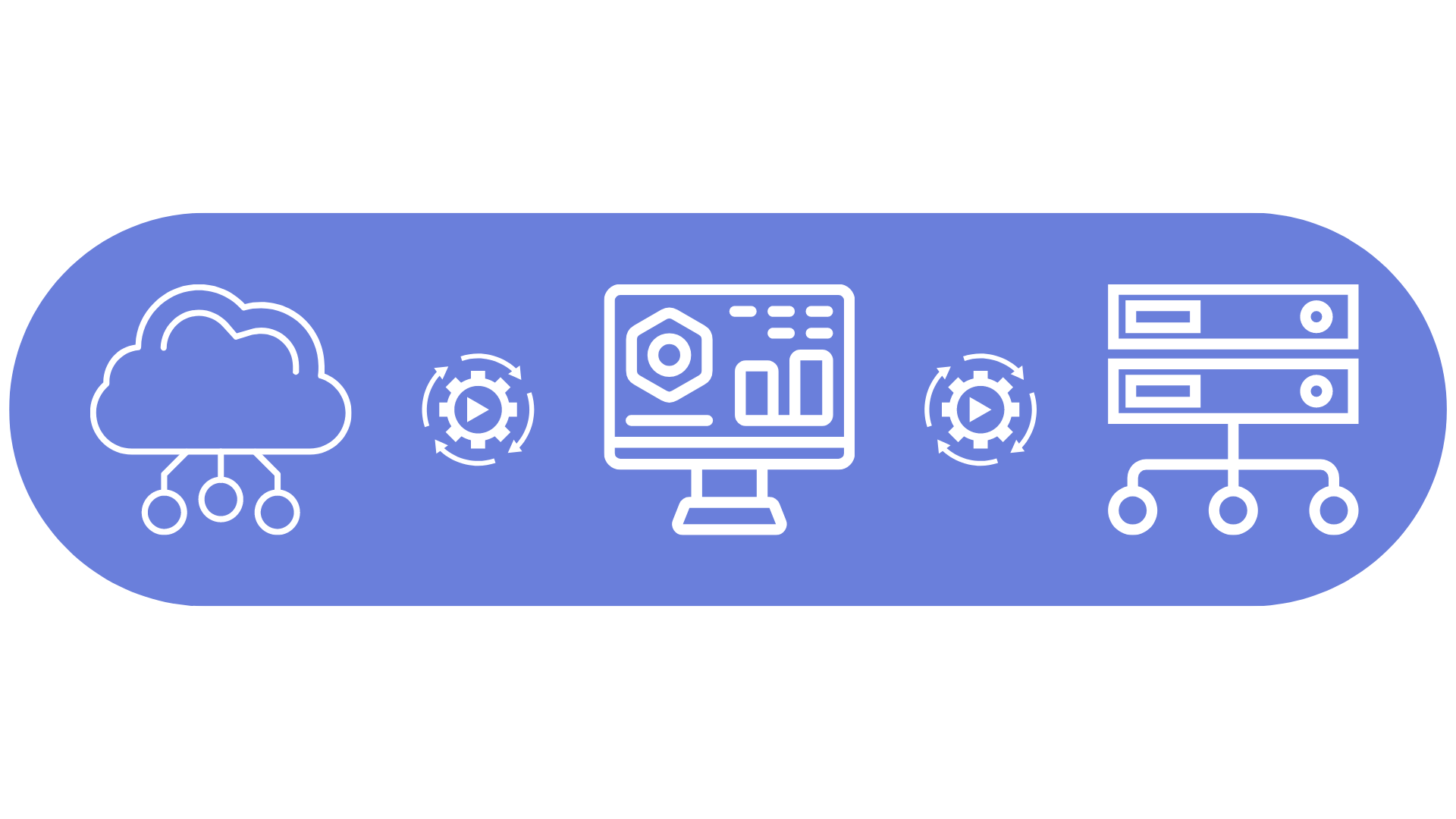
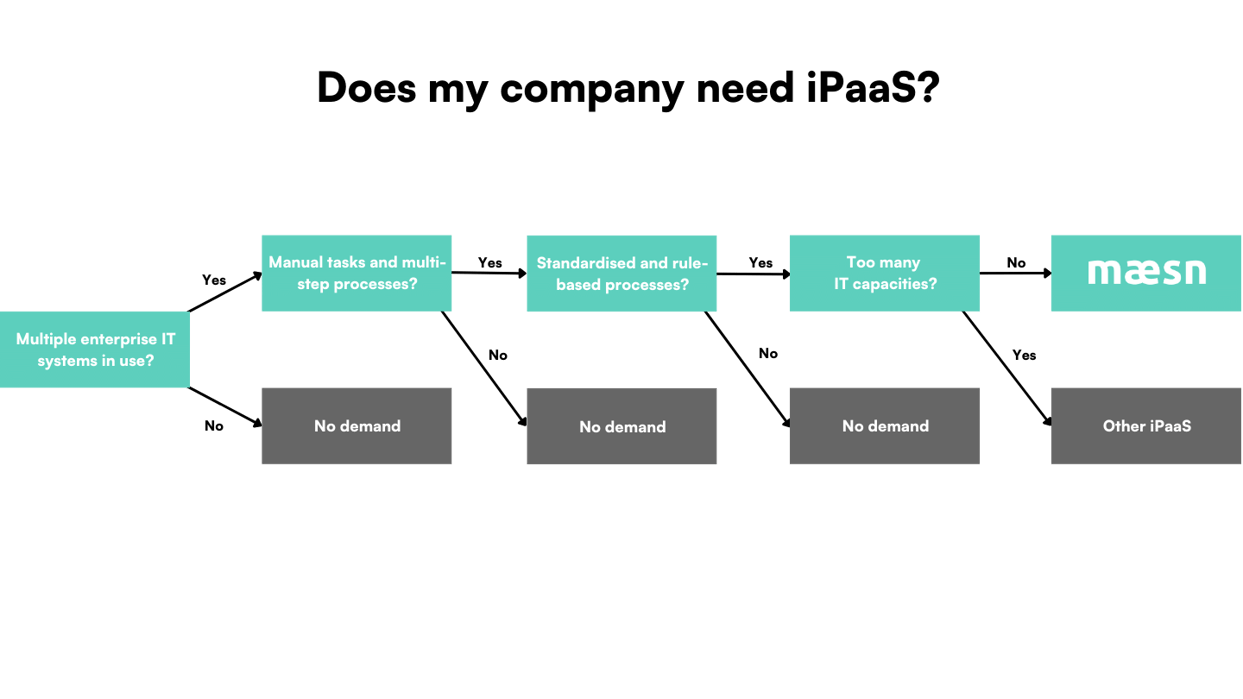
Integration platforms for enterprise software
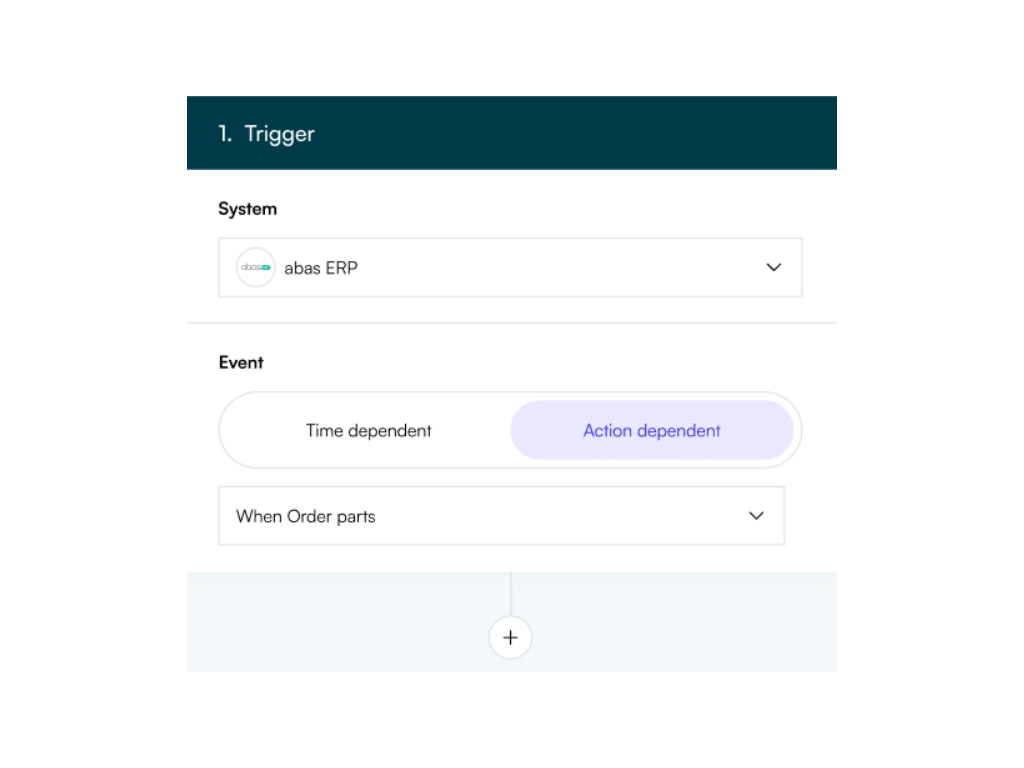
No-Code
No-code tools in IPaaS offer companies an easier and more efficient way to integrate applications and data. These tools allow non-technical people to create integrations without programming skills, making them faster and more cost-effective.
The advantages are:
- rapid deployment of integration solutions
- shorter development times
- higher flexibility and efficiency
This allows companies to reduce their dependence on developers and focus resources on other projects.
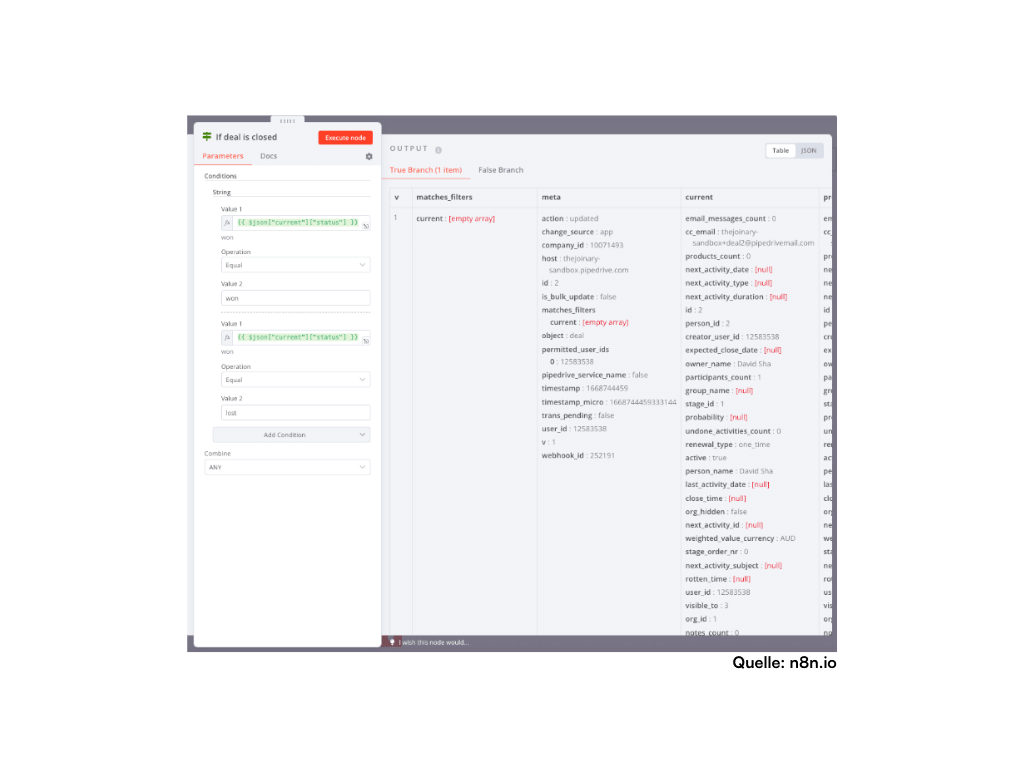
Low-Code
Low-code IPaaS offer developers a flexible way to create customised and adaptable integration solutions to meet complex requirements and seamlessly integrate systems.
The advantages are:
- higher performance
- full control over the integration and the fulfilment of specific requirements
The use of coding-based IPaaS solutions requires in-depth knowledge of programming. However, they can bring added value, especially for demanding integrations.

"Get the most out of every area of your business with the best solutions - thanks to maesn, no problem at all."